
I spent five weeks trying to find an options strategy I could justify trading in a $2,000 account.
I built a backtesting system around 739 million historical options rows. I tested four strategies across 502 trading sessions from 2023 and 2024. The tests included modeled bid-ask spreads, commissions, and clearing fees.
The result: none worked.
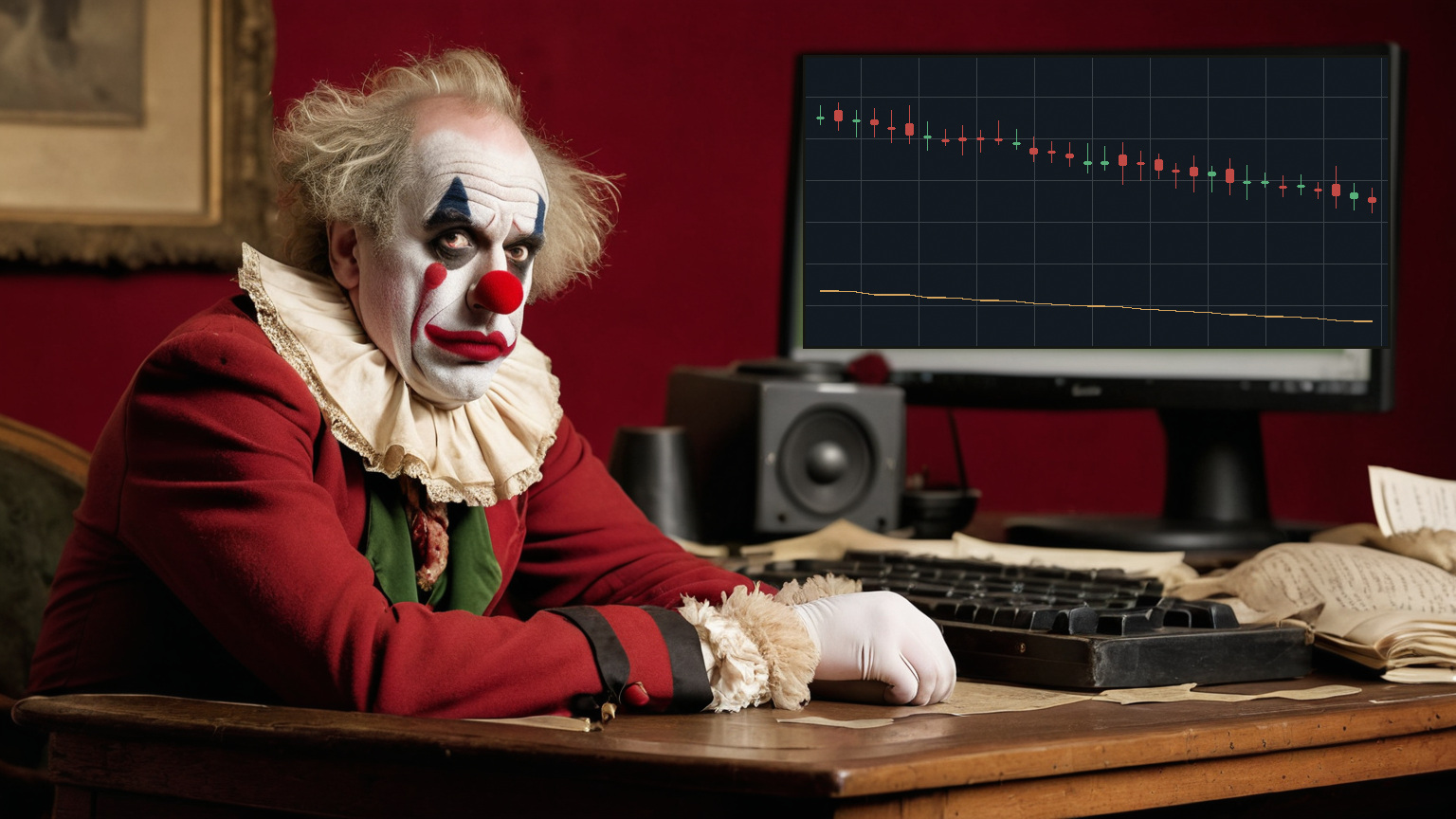
Across the four validation runs, the strategies produced 4,500 simulated trades. Every strategy lost after costs. Every Sharpe ratio was negative. All four failed the rules I had set before running them.
What I tested
- Basic calendar spreads: 815 trades, 24.3% win rate, Sharpe -6.66.
- Earnings calendar spreads: 2,733 trades, 12.7% win rate, Sharpe -12.73.
- Calendar spreads restricted to the most liquid contracts: 727 trades, 31.4% win rate, Sharpe -4.26.
- Defined-risk index iron condors: 225 trades, 8.4% win rate, Sharpe -14.67.
The liquidity filter helped the calendar strategy. Its win rate rose from 24.3% to 31.4%, and its loss per trade fell. It still lost money. The improvement was not enough to make the strategy usable.
The iron condor result was worse. It won only 19 of 225 trades after using executable end-of-day prices instead of optimistic midpoint fills.

These were simulations. I placed no real trades and lost no brokerage money. The point was to reject bad strategies before they reached a real account.
I did not peek at the final test
Before each validation run, I froze the strategy rules. If I changed a strategy after seeing a result, I counted it as another attempt. I did not rename retries as debugging or keep changing parameters until a chart looked good.
I also set aside a final holdout covering January 2025 through June 2026. I would open it only if a strategy first passed validation on the older data.
Nothing passed, so I never opened the holdout.
That rule mattered most after several weeks of work. The more time I spent building the dataset and testing system, the easier it would have been to justify one more adjustment. Peeking at the holdout would have given me another set of outcomes to fit. It would not have created a real trading edge.
I stopped
I searched for another defined-risk strategy that fit a $2,000 account and a $600 maximum loss. I found no candidate with enough outside evidence, realistic execution data, and buying-power support to justify another test.
There is no strategy ready to trade. I deployed nothing. The final holdout is still sealed. The program is stopped unless a genuinely new strategy arrives with its rules fixed before I inspect another result.